A joint program combining trauma-informed skills with the ancient wisdom of laughter is quietly reshaping how communities in southern Rwanda live alongside the legacy of the 1994 genocide.
By Uwera Consolee | Edited by Samuel Habimana
NYAMAGABE DISTRICT, Rwanda — January 2026
In the mist-draped hills of southern Rwanda, where the weight of the 1994 Genocide against the Tutsi still settles over villages like morning fog, something unexpected has taken root: laughter. Not the nervous laughter of denial, nor the hollow performance of forced optimism, but a deliberate, communal, therapeutically grounded practice — one that genocide survivors and former perpetrators are learning together.
This week, a group of community members from Nyamagabe District gathered for a training organized by the Rwanda Resilience and Grounding Organization (RRGO) in partnership with the University of Michigan-Dearborn. Their goal was at once modest and profound: to deepen resilience, strengthen social cohesion, and advance reconciliation through two complementary approaches — the Community Resiliency Model and a locally adapted practice known as Laughter for Healing.
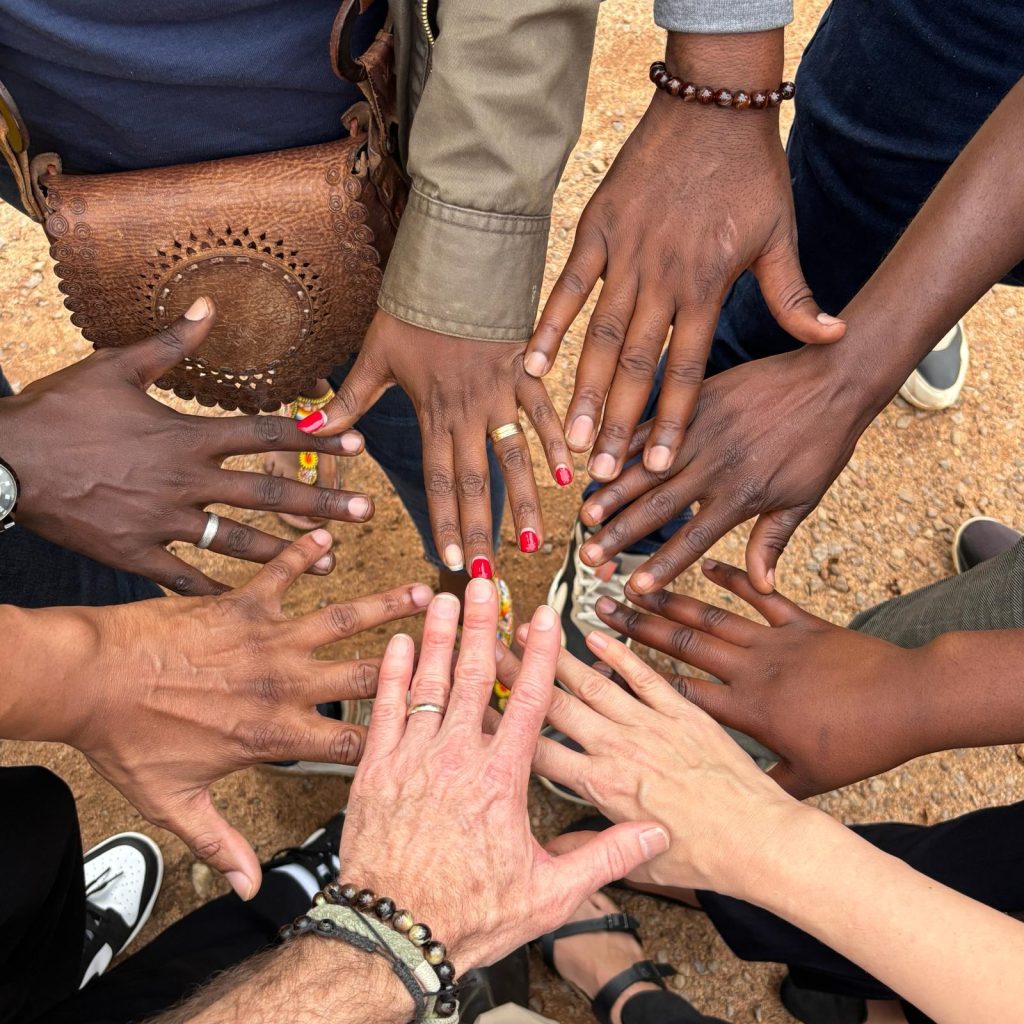
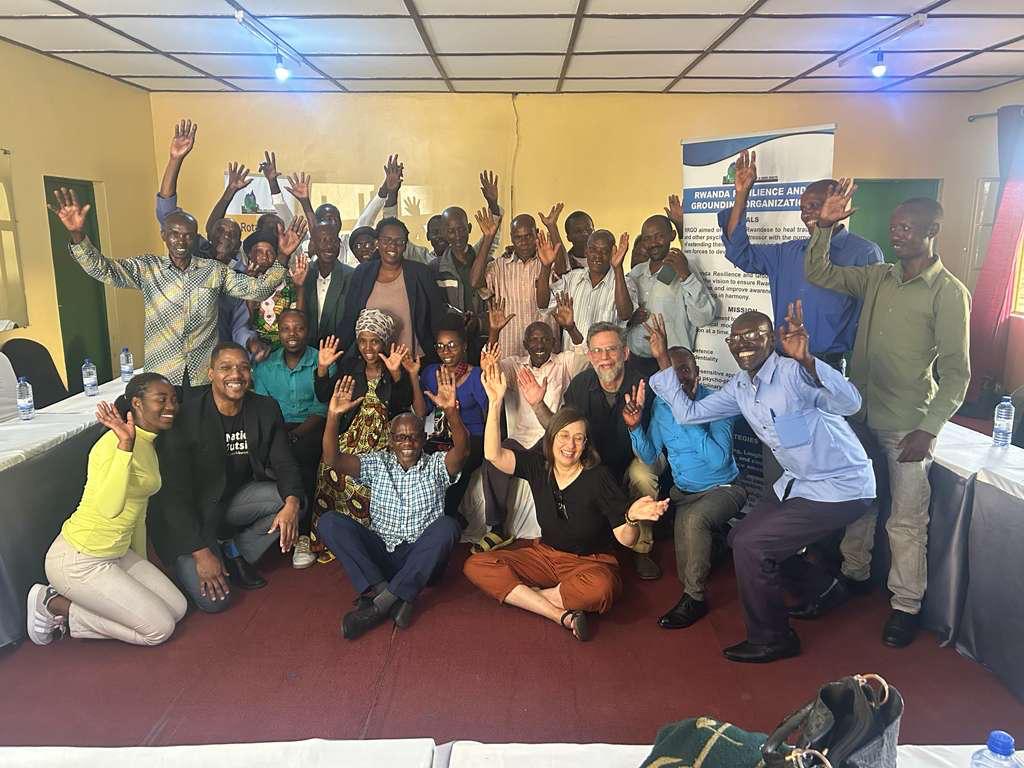
Fig. 1 | RRGO facilitators and Michigan University staff and Community members gather in Nyamagabe District for a joint training on resilience and reconciliation, January 2026. (RRGO / University of Michigan-Dearborn)
A Pathway to Calm
The Community Resiliency Model — known locally as “Inzira y’Umutuzo,” meaning the pathway to calm — has been practiced in Rwandan communities for years. Developed to help individuals track bodily sensations, regulate emotions, and return to states of equilibrium after trauma, it has become a foundation for RRGO’s mental health programming.
Research by Habimana et al. (2026) documents measurable improvements in social functioning and reductions in trauma symptoms among both genocide survivors and former perpetrators who have participated in CRM programming — a finding that speaks to the model’s adaptability across profoundly different life experiences.
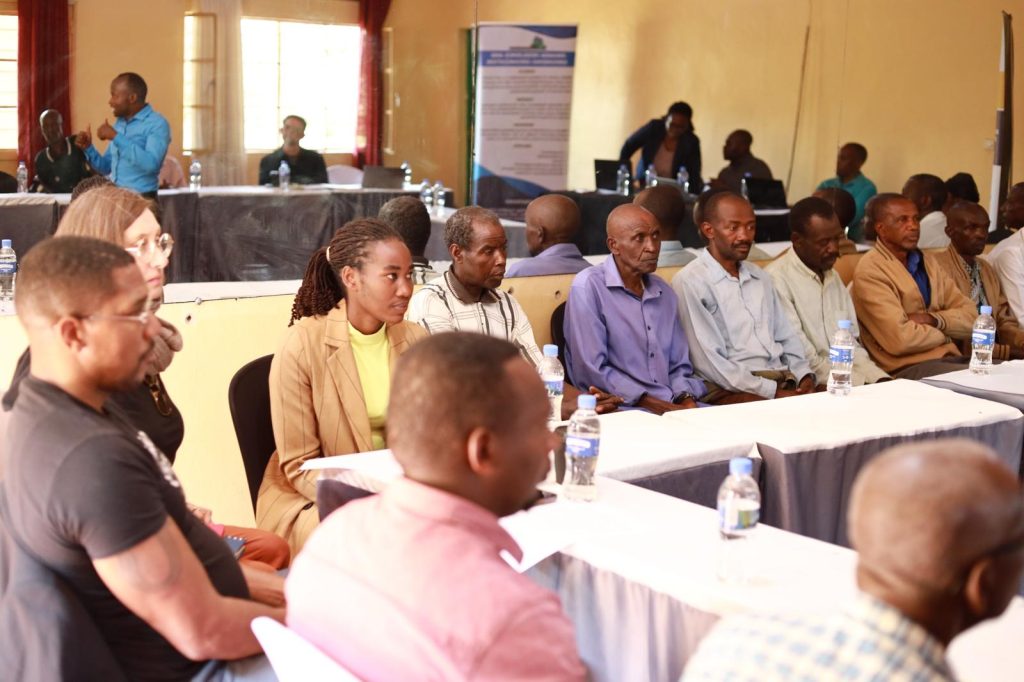
Fig. 2 | Participants engage in Community Resiliency Model (CRM) exercises — known in Kinyarwanda as “Inzira y’Umutuzo,” or the pathway to calm. The model has been used across Nyamagabe District to reduce trauma symptoms and rebuild interpersonal trust. (RRGO)
But healing from collective trauma, RRGO’s practitioners have long understood, cannot be reduced to clinical interventions alone. It requires moments of shared humanity — the kind that are difficult to script and impossible to mandate. That is where laughter enters.
From Yoga Mat to Hillside: The Adaptation of Laughter Yoga
Laughter Yoga was conceived in Mumbai in 1995 by physician Madan Kataria, premised on the physiological fact that the body cannot distinguish between simulated and spontaneous laughter. When RRGO introduced the practice to Rwanda in 2013, psychologists, social workers, and community members immediately recognized both its promise and its foreignness.
Over the following years, they did what Rwandan communities have long done with imported ideas: they made it their own. The result is “Seka Ukire” — a phrase in Kinyarwanda that means, simply, Laughter for Healing.
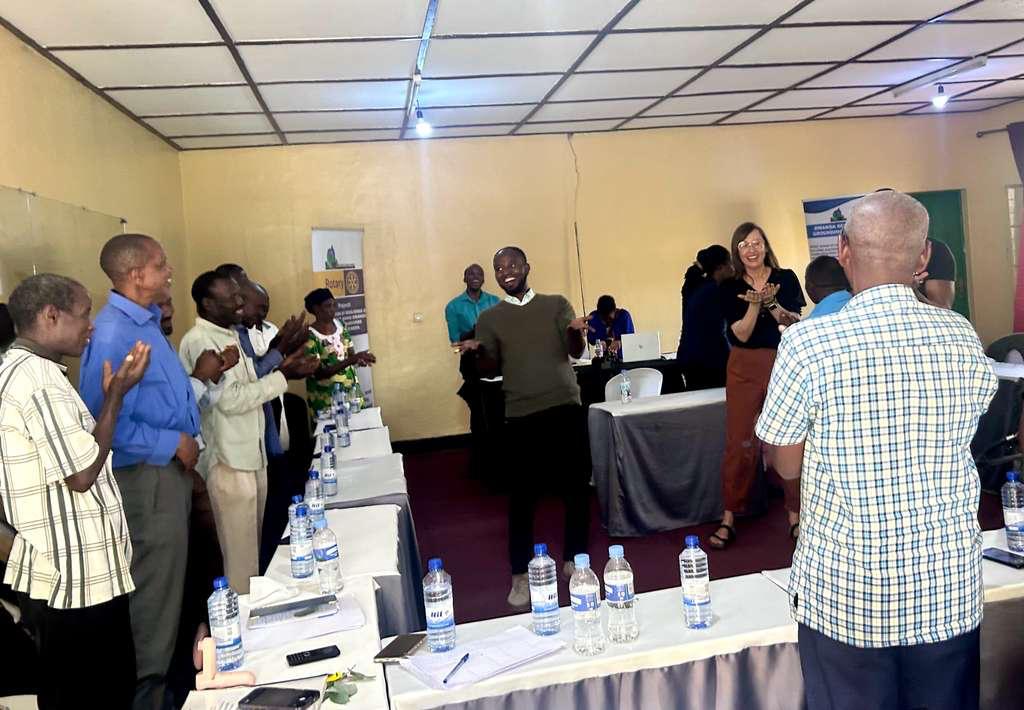
Fig. 3 | Participants practice “Seka Ukire” — Laughter for Healing — a culturally adapted form of laughter therapy developed by RRGO psychologists and community facilitators. In Kinyarwanda, the saying goes: “Guseka byongera iminsi yo kubaho” — laughter increases the days of life. (RRGO)
The adaptation is not cosmetic. In RRGO’s version, laughter is woven together with Rwandan songs, communal dancing, intentional movement, and psychoeducation — creating a structure that feels neither clinical nor foreign, but rooted in the rhythms of Rwandan communal life. Participants are guided to release stress, experience joy, and — crucially — do so alongside people who were once on opposite sides of unimaginable violence.
“Guseka n’ubuzima.” — “Laughter is health.” A Kinyarwanda proverb at the heart of RRGO’s healing model.
Sitting in the Same Room
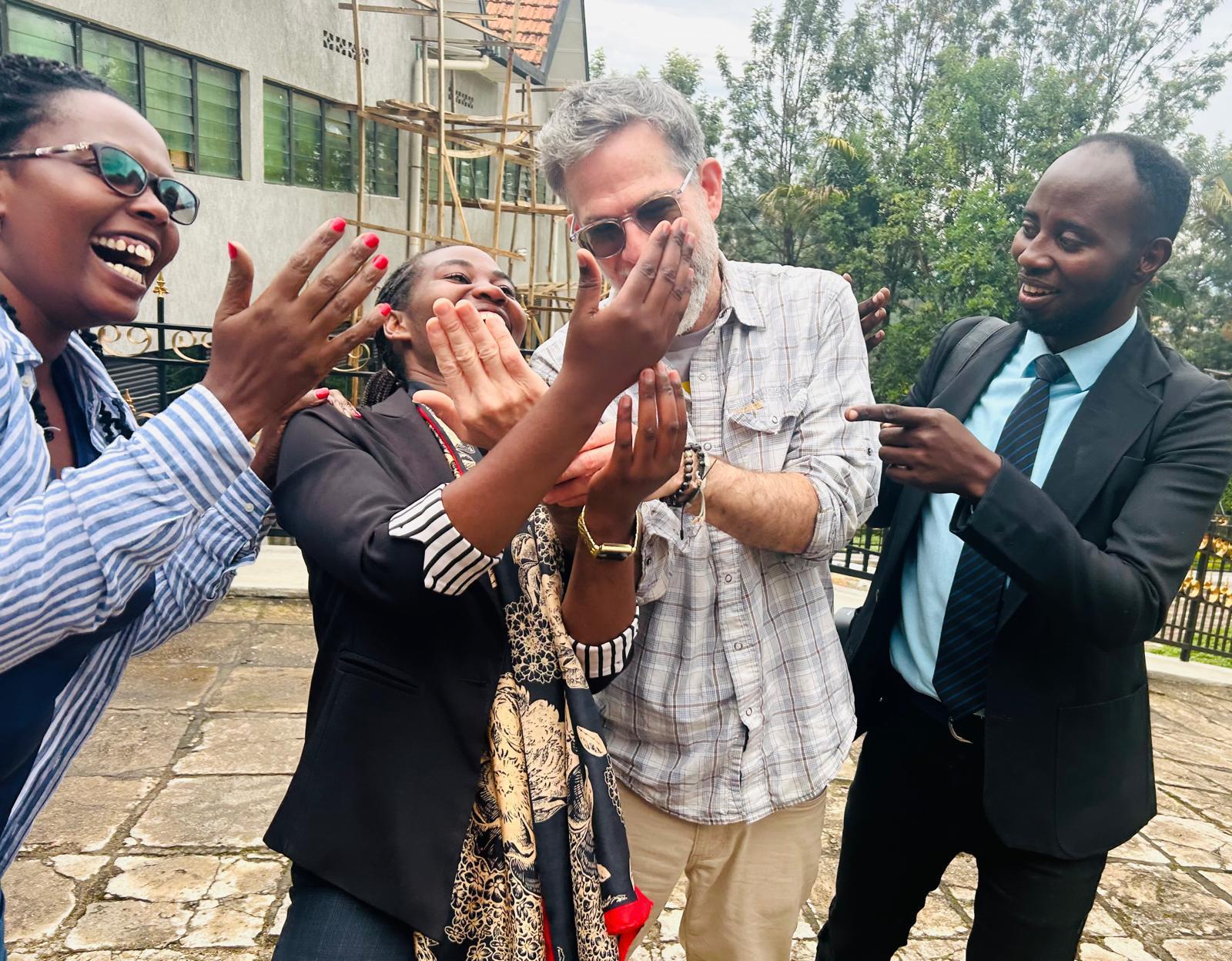
Fig. 4 | Prof. Dr. Paul Draus, from the University of Michigan-Dearborn join RRGO facilitators a during the January 2026 training in Nyamagabe District. (University of Michigan-Dearborn / RRGO)
This week’s training brought a new element: an academic team from the University of Michigan-Dearborn, led by Prof. Dr. Paul Draus, Dr. Anna Muller, and Tamir Bell, joined RRGO facilitators and the community members who have already been practicing both CRM and Seka Ukire.
Among the participants were genocide survivors and former perpetrators who had completed prison sentences and returned to live alongside the families of those they once harmed. For many, the act of occupying the same room — laughing, moving, singing together — is itself a form of testimony. It is evidence that something has shifted.
“We are now resilient because we learned Inzira y’Umutuzo, which helped us reduce trauma and emotional dysregulation. Now it is time for us to continue practicing Laughter for Healing, because we feel its positive impact.” — A participant, Nyamagabe District
Healing Beyond Individual Therapy
Post-genocide trauma in Rwanda does not follow a linear arc. It resurfaces during anniversary commemorations in April, is triggered by encounters with perpetrators or their families in shared markets and churches, and is transmitted — research increasingly shows — to children who were not yet born in 1994. What RRGO’s model recognizes is that no single therapy can address the full architecture of collective wound.
CRM gives participants concrete, somatic tools: how to notice when the nervous system is activated, how to find sensations of stability within the body, how to return from dysregulation without requiring professional intervention. Seka Ukire gives them something harder to quantify but no less essential — the experience of joy, shared with others, in a context that was previously defined entirely by pain.
Together, the two practices constitute something that neither achieves alone: a model of reconciliation that is simultaneously practical and deeply human.
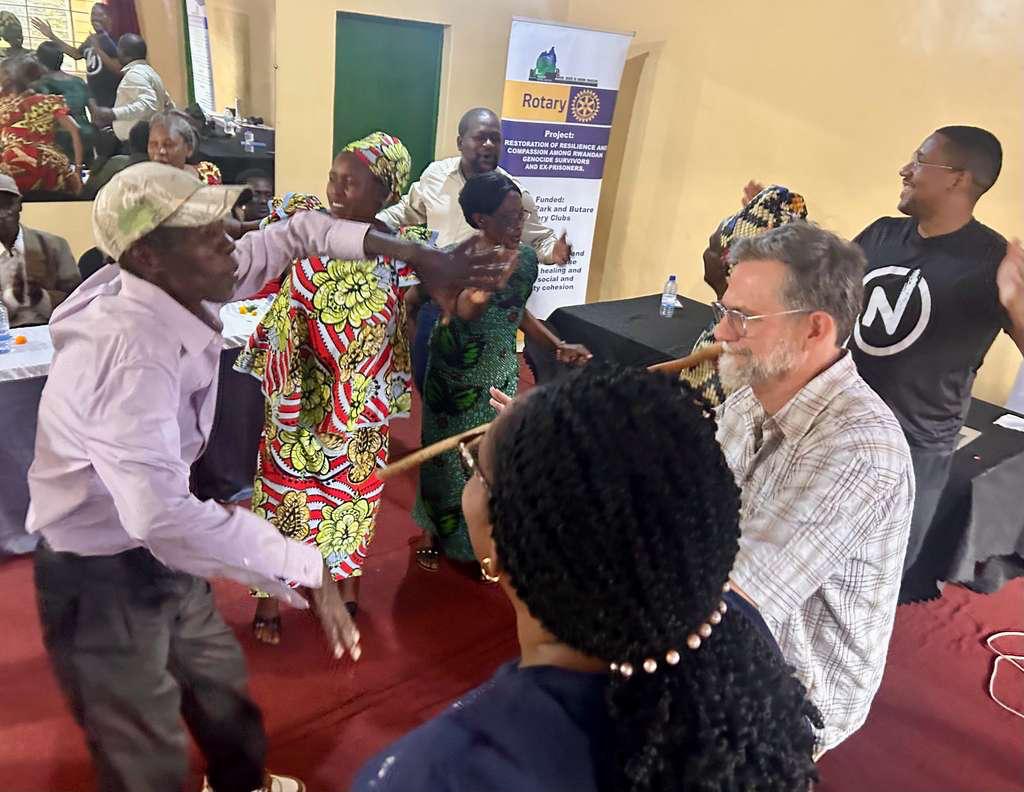
Fig. 5 | The sound of shared laughter rises from a hillside in Nyamagabe District. For RRGO, it represents not an erasure of history, but a different way of living with it — with greater stability, compassion, and the possibility of hope. (RRGO)
A Continuing Effort
RRGO leadership emphasized that the program is not a single intervention but a sustained commitment. The organization plans to continue expanding both CRM and Laughter for Healing training across survivor and former perpetrator communities, supporting facilitators who can carry the work forward without ongoing external support.
The goal, as RRGO articulates it, is not to erase a painful history — an impossibility in any case — but to help people live within that history differently: with more stability, more capacity for compassion, and, perhaps, with moments of genuine connection that would have once seemed unimaginable.
In Nyamagabe, on a hillside where memory is never far away, the sound of laughter carries farther than it might seem. It is, as RRGO’s facilitators have come to understand, a form of evidence , evidence that healing, however incomplete, remains possible.
Uwera Consolee is a RRGO Facilitatiors in Rwanda. This article was edited by Samuel Habimana, a researcher at Loma Linda University.
REFERENCES
- Habimana S, Lister Z, Biracyaza E, Freeman K, Montgomery S. Longitudinal randomized comparison study on the community resiliency model for addressing mental health challenges in survivors and perpetrators of genocide in Rwanda. Discov Ment Health. 2026 Jan 23;6(1):26. doi: 10.1007/s44192-026-00376-w. PMID: 41575623; PMCID: PMC12909630.
- Habimana S, Freeman K, Biracyaza E, Lister Z, Montgomery S. Promoting social cohesion, compassion and forgiveness among Rwandan survivors and perpetrators through community resiliency model training: a longitudinal randomized comparison study. European Journal of Psychotraumatology. Published online: 16 Feb 2026. https://doi.org/10.1080/20008066.2026.2621634.